More than half of hosts have had a guest damage their place.
Sources: Aviva poll of 1,000 UK hosts, 2019 · Hospitable survey, 2026
When you rent outside Airbnb or Turo, no platform settles the argument. Here the deposit stays on a PayPal hold; only what you approve is captured. Claude compares the check-in and check-out photos and boxes the new damage, and the renter sees the same evidence and can contest before anything moves.
Why PayPal: one hold takes several captures, for up to 29 days, and the rest is released.
A PayPal hold is guaranteed for 3 days and capturable until day 29, so it suits stays and gear rentals, not long leases.
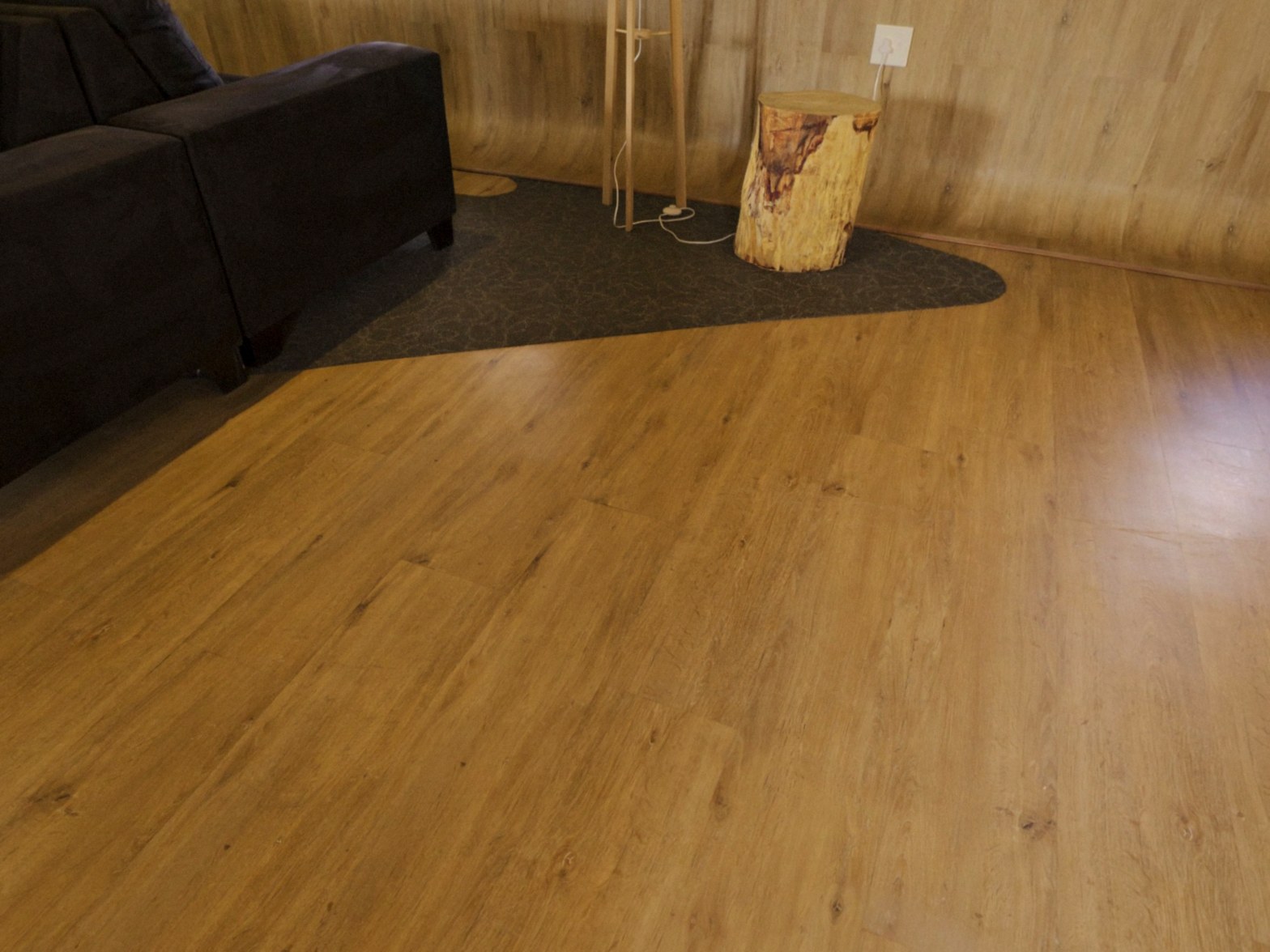
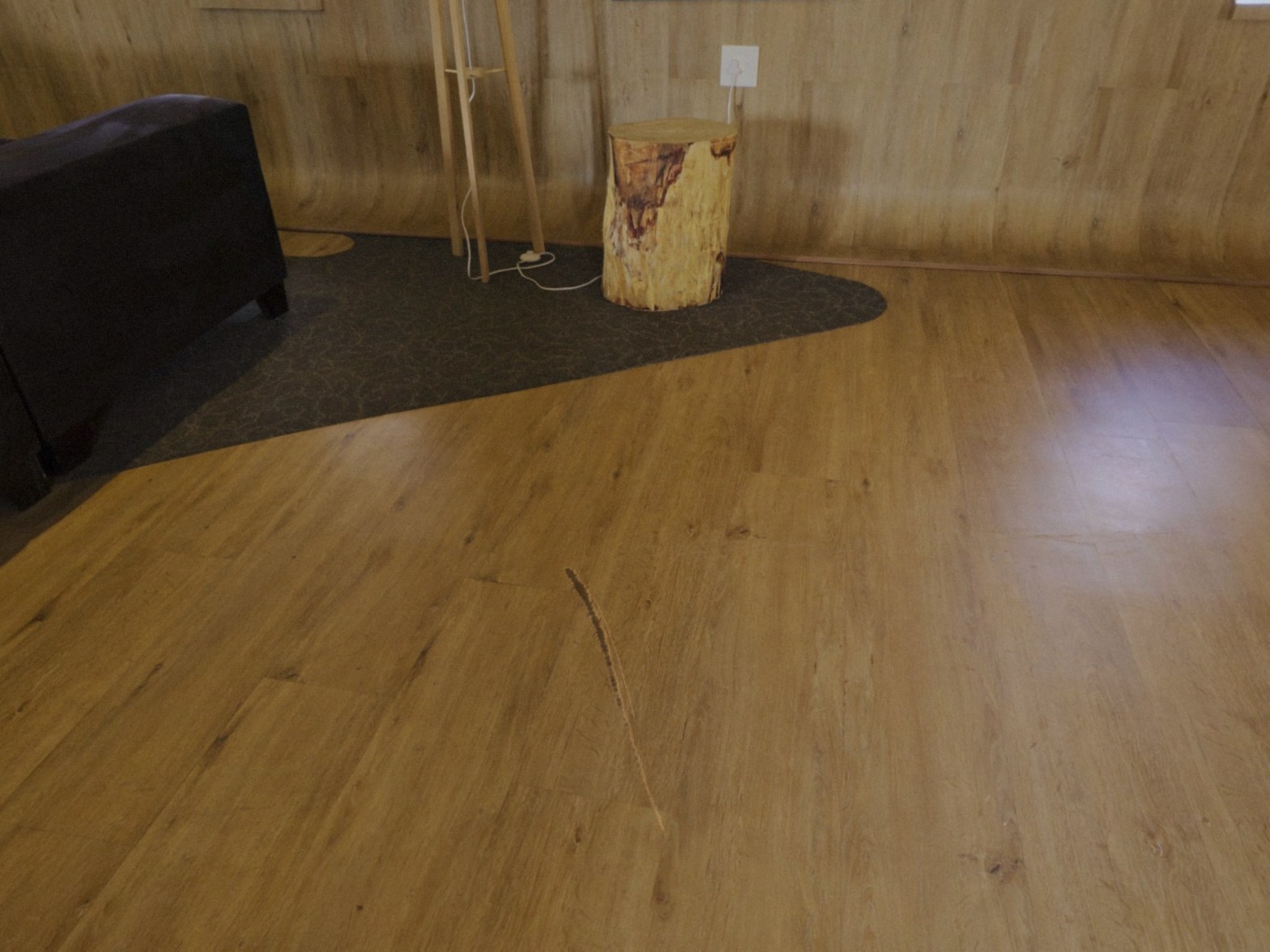
New damage found
Claude Sonnet 5.5 compared the photos
Proposed $150.00 of the $300.00 hold
Claude Haiku 5.5, then it stops
- +$150.00
You approved the charge
Nothing moves until you do
- $150.00
The rest went back
PayPal released the hold
Why hosts need this
What goes wrong with a damage deposit today
Damage is common, and hosts often pay for it themselves
The deposit sits on a PayPal hold, so there is money to draw on without a platform.
The figures and sources
Of hosts with guest damage in the past year, 66% paid for the repairs themselves. Airbnb's host damage protection applies when you host on Airbnb.
Nobody can prove what was there before
Check-in photos from the host and the renter, and Claude boxes only what is new at check-out.
The figures and sources
“It was already there” came up in 7 of the 14 host and guest stories we read. In a poll of 1,000 UK guests, 13% who broke something blamed someone else.
Charges look inflated and fall apart under questions
Every line has its photo and a price-table row, and the renter can contest one line, not the whole deposit.
The figures and sources
In one forum case a claim of about 600 EUR fell to 150 EUR once the guest asked for receipts, then lapsed.
Card holds run out, and a kept deposit invites a chargeback
The renter's accept is on record, and the evidence pack is ready if they dispute. That lowers the chargeback risk; it can't remove it.
The figures and sources
Online card holds through Stripe usually last 7 days. A PayPal authorization is valid for 29 days, and you can capture from it more than once.
How it works
Three steps, fully visible
Hold the deposit
The renter places a PayPal hold from their own link. Nothing is charged. PayPal guarantees it for 3 days, and it can be captured until day 29.
Compare the photos
Claude looks at check-in and check-out, draws a red box on new damage and suggests a charge with its reasons.
Approve the charge
The renter can accept or contest. You set the exact amount, PayPal captures that and releases the rest.
Blind test
10 new photo pairs, 0 false charges
Show the results
| Pairs | Count | Result |
|---|---|---|
| No new damage | 5 | 0 charged, 0 flagged |
| One new mark | 5 | 3 charged, 1 Worth a look, 1 missed (a crack across a floor tile) |
| Obvious damage, and the demo pair | 4 | 4 charged |
A small sample, and both photos in each test pair come from one capture, so real photos may do worse. Check the photos yourself, and add anything the AI missed.
Worth a look, nothing charged
When Claude sees a mark but isn’t sure it’s new, it goes under Worth a look with an amber box on the photo. It is never charged unless you add it, and the renter sees anything you add.
How this differs
Inspection reports and deposit replacements already exist
Each one below is described only from its own page, read in November 2026, and linked so you can check.
Show the 7 tools we read
Witnessed AI inspection
Compares photos from the start and end of a stay or rental, tells wear from possible damage, and makes shareable PDF reports.
RentSolve AI AI inspection
Itemized deduction reports with photo evidence and repair estimates, emailed to the tenant.
CheckEasy AI inspection
AI check-in and check-out reports for short-term rentals. It saves the guest’s card “without holding anything” and charges after damage.
VerifyAI (Switch Labs) Photo API
An API and SDKs that compare checkout and return photos for new damage and missing parts.
Truvi (formerly Superhog) Damage protection
Damage protection with “no guest deposits or waivers required”; payouts go to the host.
Waivo Damage waiver
A non-refundable guest fee that “replaces traditional security deposits”, with $1,500 of cover.
Obligo Lease deposit alternative
Renters link a payment method instead of paying a lease deposit; owners can charge up to the deposit amount. A non-refundable fee applies.
What Deposit Referee does that these pages don’t describe
The hold stays on PayPal
The renter’s money is authorized on PayPal, not taken and not replaced by a fee. Only what the host approves is captured; the rest is released.
Several captures on one hold
Lines the renter accepts are captured straight away, and the contested part stays on the same PayPal hold until the host decides.
The renter contests line by line
The renter sees each line with its photo and price row, and accepts or contests each one before anything moves.
Money stays on hold
The deposit is authorized, not taken. Only the amount you approve is ever captured, and the app's code refuses anything over the hold.
Evidence both sides read
Both photos side by side, the damage boxed, and reasons the renter sees on their own link before any charge.
Every PayPal call named
The activity strip shows each PayPal call with the Agent Toolkit tool that made it, and says plainly where the Toolkit has no tool for a step.
Damage deposits, settled from two photos.
PayPal sandbox only, so no real money moves. Try the whole thing with a test card.